


What Is Insulin Resistance? Understanding an Often Overlooked Health Concern
Many people have heard the term “insulin resistance,” but may not fully understand what it means or how it affects the body.
Insulin resistance is becoming increasingly common and plays an important role in metabolism, blood sugar regulation, and overall health.
Understanding it can help patients make informed decisions about their long-term wellness.
What Does Insulin Do?
Insulin is a hormone made by the pancreas that helps move sugar (glucose) from the bloodstream into the body’s cells, where it can be used for energy.
When the body responds normally to insulin, blood sugar levels stay balanced.
What Is Insulin Resistance?
Insulin resistance occurs when the body’s cells do not respond to insulin as effectively as they should.
As a result, the body may produce more insulin in an attempt to keep blood sugar levels stable.
Over time, this can place additional stress on the body and may increase the risk of developing other health concerns.
What Can Contribute to Insulin Resistance?
Several factors may play a role, including:
- Excess weight or abdominal fat
- Physical inactivity
- Chronic stress
- Poor sleep
- Family history and genetics
- Hormonal changes
- Diet and lifestyle habits
In many cases, insulin resistance develops gradually over time.
Possible Signs and Symptoms
Insulin resistance does not always cause obvious symptoms early on, but some people may notice:
- increased fatigue
- difficulty losing weight
- increased hunger or cravings
- brain fog
- changes in energy levels
These symptoms can also be related to many other conditions, which is why discussing concerns with your provider is important.
Why It Matters
Over time, insulin resistance may increase the risk of:
- prediabetes
- type 2 diabetes
- heart disease
- metabolic health concerns
Researchers continue to study how metabolism, hormones, inflammation, and lifestyle all work together to impact long-term health.
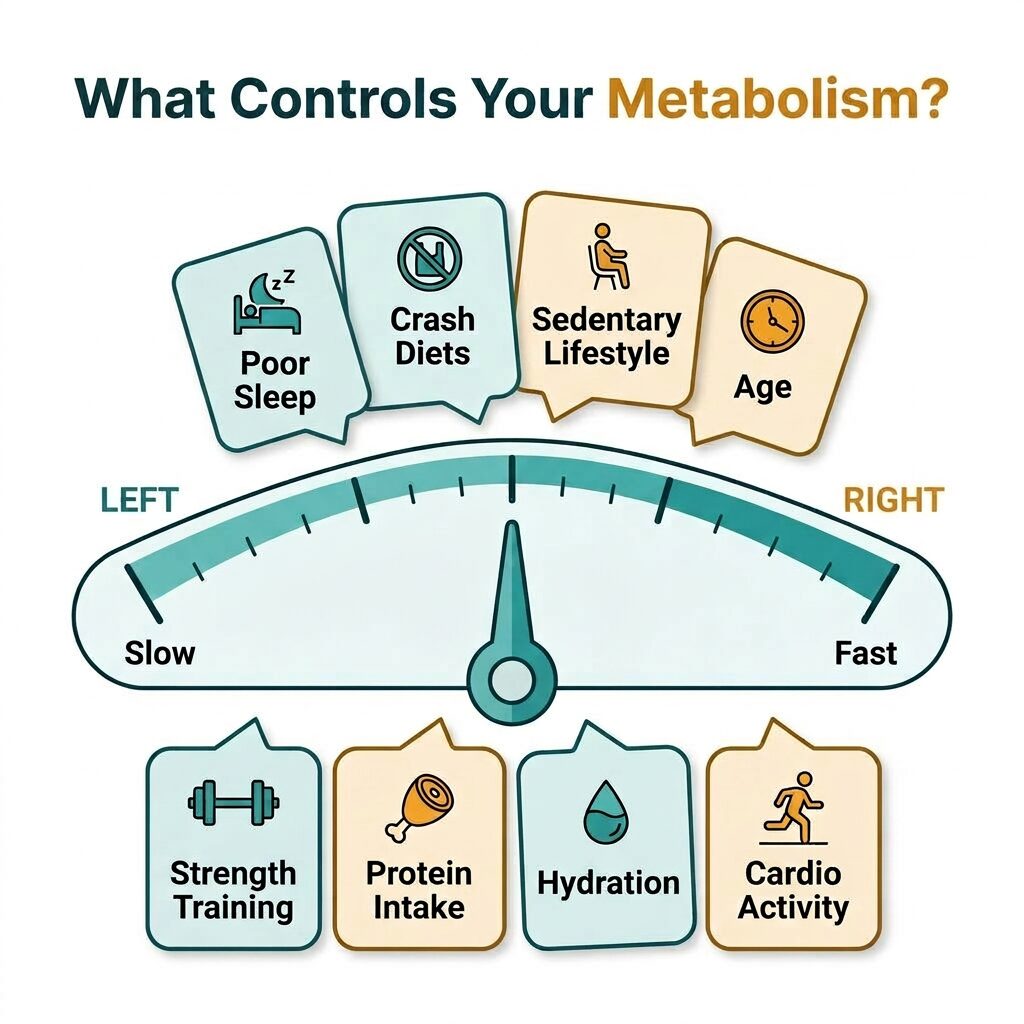
Ways to Support Metabolic Health
Small, sustainable habits can make a meaningful difference over time.
Examples include:
- regular physical activity
- balanced nutrition
- prioritizing sleep
- stress management
- maintaining regular medical care
There is no one-size-fits-all approach, which is why individualized care is important.
Final Thoughts
Insulin resistance is common and often develops quietly over time.
Learning more about how the body regulates blood sugar and metabolism can help patients better understand their health and identify areas where positive lifestyle changes may help support long-term wellness.
If you have concerns about blood sugar, energy levels, or metabolic health, talking with your provider can help determine what may be best for you.


