


Understanding Irritable Bowel Syndrome (IBS): What You Should Know
Irritable Bowel Syndrome (IBS) is a common digestive condition that affects millions of people worldwide. While it isn’t life-threatening, IBS can significantly impact daily life. Here’s what you need to know:
What is IBS?
IBS is a chronic disorder that affects the large intestine. It causes changes in bowel habits and abdominal discomfort, but unlike other conditions, it does not damage the intestines.A chronic functional gastrointestinal disorder characterized by abdominal pain or discomfort associated with altered bowel habits, such as diarrhea, constipation, or a mix of both, in the absence of detectable structural abnormalities. Symptoms may include bloating, cramping, urgency, and incomplete evacuation, and the condition is often influenced by stress, diet, and gut-brain interactions.
How Does IBS Affect the Body?
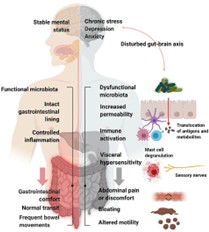
Physiologically, IBS is driven by a variety of factors. Gut-brain axis dysregulation or disrupted communication, often influenced by stress and diet, leads to altered signaling about pain, motility and stress responses. Abnormal gut motility leads to faster transit or loose stools (IBS-D) or slower transit causing hard stools (IBS-C) or alternating patterns of both. Gut microbiome alterations affect digestion, gas production, and immune system activity. Neurotransmitter and hormone changes also occur which is why IBS symptoms often flare during stress. None of these changes damage the gut structurally but cause significant functional symptoms. IBS disrupts normal gut function, leading to symptoms like bloating, cramping, and irregular bowel movements. These symptoms can come and go, making IBS unpredictable.
Who is Affected?
Anyone can develop IBS, but it’s more common in adults and tends to occur more often in women. Stress and certain foods can trigger symptoms.
- Age – Most often begins in late teens to early 40s with peak onset typically before age 35.
- Gender – More women than men are affected in the U.S and many Western countries, women made up 60-70% of IBS cases. In some Asian countries, the gender distribution is more equal or men may be slightly more affected.
- Geography – IBS is found worldwide, but prevalence varies. Approximately 10-15% of the global population is estimated to have IBS.
- Risk factors in addition to the above – Family history, hormonal influences, psychological factors, post-infectious IBS, psychological and lifestyle risk factors such as anxiety, depression, and trauma, as well as dietary and environmental risk factors including food intolerances, irregular diet, and medication use.
Symptoms to Watch For
- Abdominal pain or cramping
- Bloating
- Excessive gas or belching
- Changes in Stool Appearance
- Fatigue
- Altered Bowel Habits:
- Diarrhea-Frequent loose or watery stools (IBS-D)
- Constipation-Infrequent, hard, or difficult to pass stools (IBS-C)
- Mixed Bowel Habits-alternating between diarrhea and constipation (IBS-M)
Impacts on Daily Life
IBS can interfere with work, social activities, and overall well-being. Many people feel anxious about when symptoms might flare up. IBS Symptoms can significantly affect quality of life, with impacts varying based on severity and individual circumstances.
- Physical Discomfort: Chronic pain, bloating, or urgency can make routine activities like work, exercise, or socializing challenging. For example, frequent bathroom trips may disrupt meetings or travel plans.
- Emotional and Mental Health: IBS is often associated with anxiety, depression, or stress, as the unpredictability of symptoms can lead to embarrassment or fear of flare-ups in public settings. This can result in social withdrawal or reduced participation in activities.
- Dietary Restrictions: Many individuals with IBS need to identify and avoid trigger foods (e.g., dairy, gluten, or high-FODMAP foods), which can complicate meals, dining out, or social gatherings.
- Work and Productivity: Symptoms like urgency or fatigue may lead to absenteeism, difficulty concentrating, or reduced work performance.
- Sleep Disruption: Nighttime symptoms, such as pain or the need for bowel movements, can interfere with sleep, contributing to fatigue and irritability.
- Social and Relationship Challenges: The need to frequently use the bathroom or avoid certain foods can strain relationships or limit participation in social events, leading to feelings of isolation.
Standard of Care
Treatment focuses on managing symptoms through diet changes, stress reduction, and sometimes medication. There’s no single cure, but many strategies can help.
Dietary & Lifestyle Modifications
- Low-FODMAP Diet which restricts fermentable carbohydrates to reduce bloating, gas, and pain
- Fiber Supplementation for constipation and overall symptom management
- Hydration & Exercise as adequate water intake and regular physical activity support digestion
- Stress Management to address gut-brain axis
- Medications that can be discussed with your health provider, if symptom relief is not effective with Dietary and Lifestyle Modifications alone.

Psychological Therapies
- Cognitive-behavioral therapy which targets stress and symptom perception
- Gut-directed hypnotherapy to focuses on reducing gut sensitivity
- Mindfulness-based therapy can reduce stress-related exacerbations
Lifestyle Modifications
Simple steps like adjusting fiber intake, staying hydrated, and managing stress can make a big difference. Keeping a food diary can help identify triggers.
- Eat Smaller, Regular Meals & Eat Slowly, & Chew Thoroughly
- Identify & Avoid Trigger Foods
- Stay hydrated
- Practice Mindfulness & Relaxation Techniques
- Regular Exercise
- Maintain Consistent Sleep Schedule
- Avoid Late-Night Eating
- Plan for Bathroom Access
- Avoid Smoking & Limit Alcohol
- Join Support Groups & Communicate Needs
Treatment Gaps & Limitations
Even with available therapies, many people still experience symptoms. That’s why education and awareness are so important so patients can find the best strategies for their unique needs.
Living with IBS can feel overwhelming, but you’re not alone and there are ways to take control. By understanding your triggers, making small lifestyle changes, and working closely with your healthcare team, you can improve your quality of life. If you’re curious about new treatments or want extra support, consider exploring clinical trials they’re designed to help patients like you find better solutions.


