


Skin Health Matters: Recognizing and Preventing Melanoma
Melanoma is one of the most serious forms of skin cancer but when detected early, it is often highly treatable.
Understanding what to look for and how to reduce your risk can make a life-saving difference.
What Is Melanoma?
Melanoma develops in the cells that produce pigment in your skin, called melanocytes.
It can appear anywhere on the body but is most commonly found in areas exposed to the sun.
Why Early Detection Matters
Melanoma can spread more quickly than other types of skin cancer if not caught early.
That’s why recognizing changes in your skin is so important.
What Should You Look For?
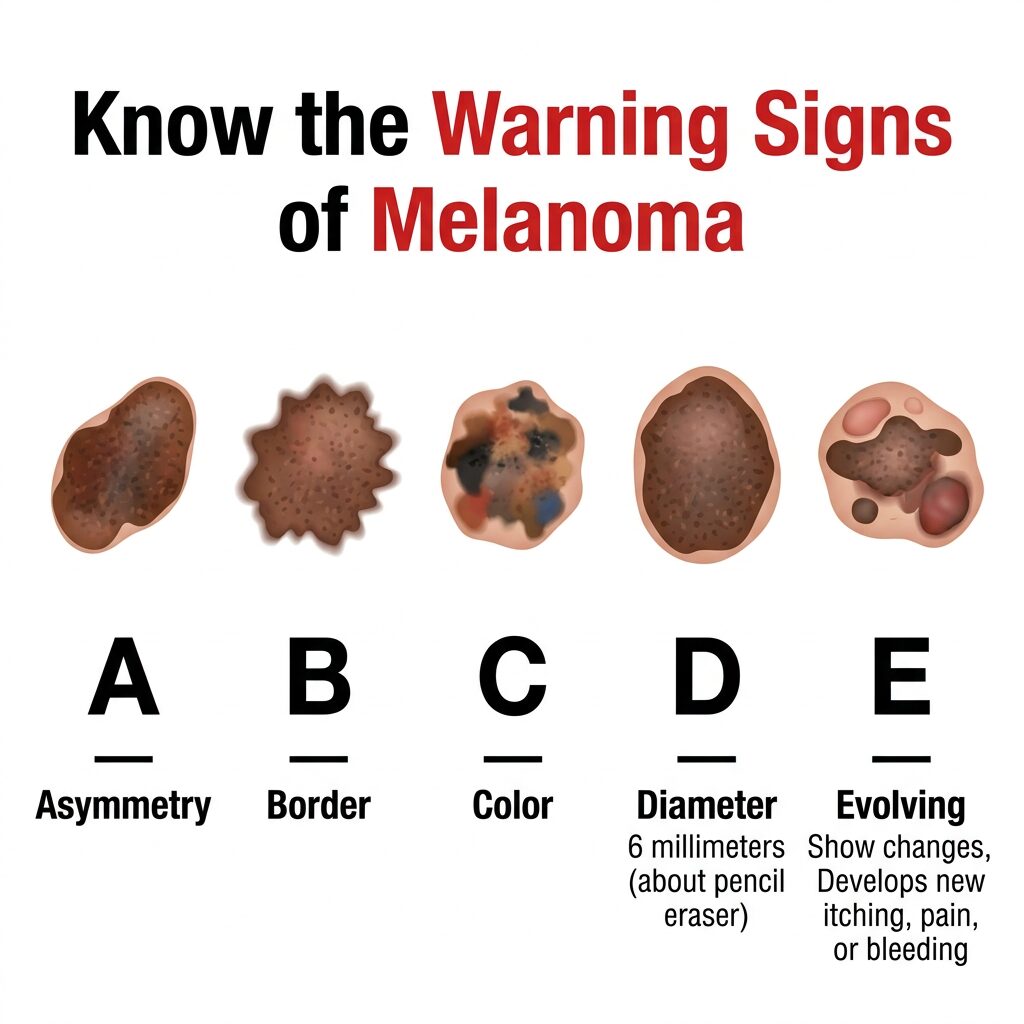
A helpful guide is the ABCDE rule:
- A – Asymmetry: One half doesn’t match the other
- B – Border: Edges are irregular or blurred
- C – Color: Uneven shades or multiple colors
- D – Diameter: Larger than a pencil eraser
- E – Evolving: Changes in size, shape, or color
If you notice any of these signs, it’s important to consult a healthcare provider.
Who Is at Risk?
Risk factors include:
- Fair skin or history of sunburns
- Excessive sun exposure or tanning bed use
- Family history of melanoma
- A large number of moles
However, melanoma can affect anyone.
The Role of Clinical Research in Melanoma
Clinical research continues to improve how melanoma is detected and treated.
Studies are exploring:
- New therapies that target cancer cells more precisely
- Immunotherapies that help the body fight cancer
- Better prevention and early detection strategies
Why Participation Matters
Clinical trials play a critical role in advancing cancer care.
Participants help:
- Improve treatment options
- Advance early detection methods
- Support future patients and families
Understanding the signs of skin melanoma and taking steps to protect your skin can make a significant difference in early detection and treatment options. Regular skin checks and routine visits with your healthcare provider are important parts of maintaining overall skin health.


